Q1.How quickly do you respond in USA?
Our statewide dispatch runs 24/7 with an average arrival around an hour. During major storms call volume rises across USA, so we'll give you an honest estimate rather than a vague promise.
Q2.Do you provide upfront pricing before starting work?
Yes — before equipment goes in, we walk you through the scope and give a clear estimate, and explain any change in scope before proceeding, not after the invoice arrives.
Q3.What emergency Water Damage Restoration services are available in USA?
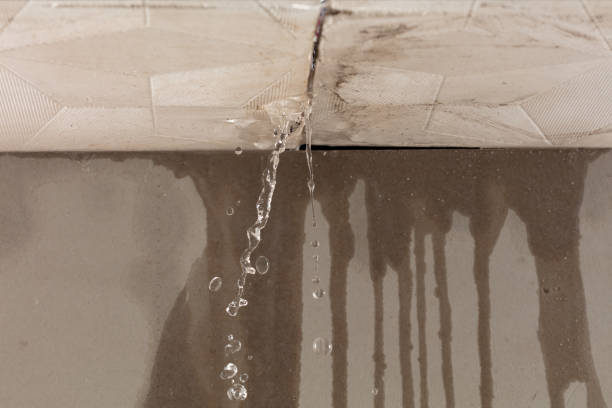
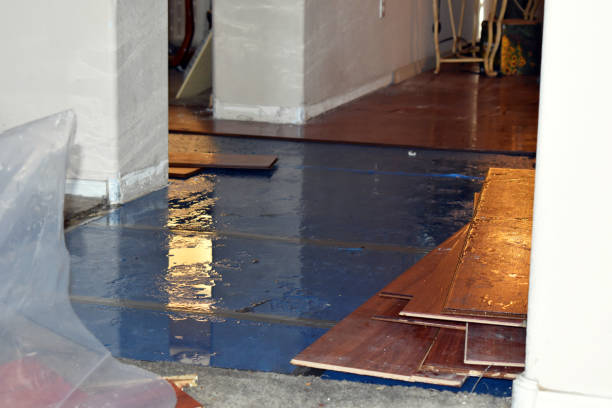
We handle emergency extraction, structural drying, sewage cleanup, storm response, and mold prevention across USA, 24 hours a day, with follow-up visits to confirm the structure has fully dried.
Q4.Will you work directly with my insurance company?
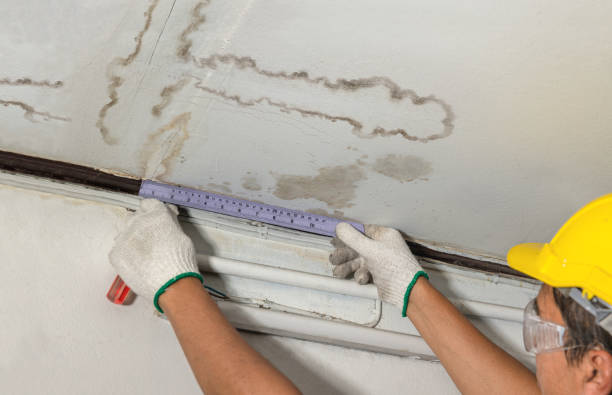
In most cases, yes — we document the loss with photos and moisture readings and can bill many insurers directly, and can join an adjuster call if that helps.
Q5.How long does the drying process usually take?
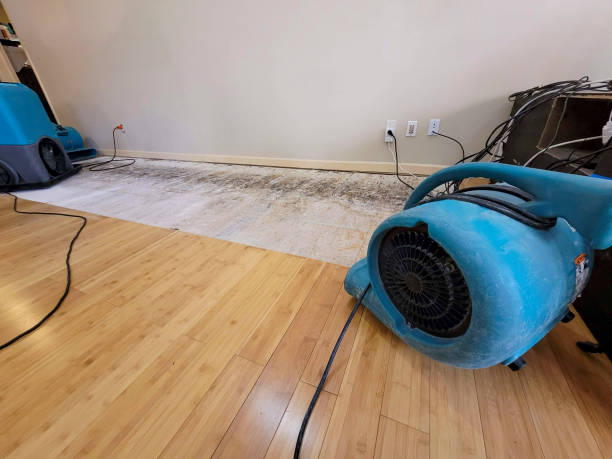
Drying time varies, but typical USA jobs run several days — we check readings at every visit so drying isn't cut short.
Q6.Can you help if mold has already started growing?
We treat visible mold as part of the overall process, containing the area before rebuild work begins and verifying with follow-up checks.
Q7.Do you handle both residential and commercial properties in USA?
Our USA team handles everything from a flooded bathroom to a multi-unit commercial loss, adjusting scheduling to minimize disruption.
Q8.What should I do while waiting for the crew to arrive?
If safe, shut off the water source, move valuables away, and avoid electrical outlets near standing water. Our dispatcher will guide you through the rest by phone.
Q9.Do you offer a guarantee on completed work?
Yes, we stand behind every job — if something isn't right, we return and fix it at no extra charge, no arguments involved.
Q10.Is there a fee just to assess the damage?
In most cases the initial evaluation is free, with no obligation to move forward, and we'll explain next steps clearly.